

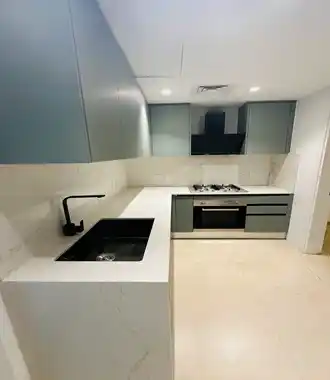
It is not enough to replace old cabinets with brand new ones when renovating a kitchen. For a successful kitchen renovation, you need to consider design, measurements, and storage, as well as plumbing, lighting, electrical work, materials, installation, and the final finish. Planning is just as crucial as the final look when several elements must work together.
Kitchen renovators in Dubai are able to play a key role here. Professional renovation teams can assist property owners in moving through the project more efficiently, from the initial design discussion to the last inspection. It is important not only create a beautiful space, but also to make it functional for daily use.
Understanding the renovation process will help you make better choices, whether you’re renovating a villa, apartment, or other residential property. You can compare contractors, get a better understanding of quotations, and avoid making common mistakes.
What is a Kitchen Renovation Company?
The company can handle several aspects of the project, rather than just focusing on a single task. This can include, depending on the project: design planning, measuring, cabinetry and countertops, flooring, paint, plumbing, electrical, lighting, appliance coordination, installation, and finishing.
Property owners should not assume that all quotes cover the same services. A company might offer a full renovation package while another may concentrate primarily on cabinets and installation. Ask for a full scope of work before you make a decision.
Professional companies should also be able to understand the connections between each stage. Before cabinets and finishes can be installed, it is common to need coordination between plumbing and electrical work. A good project manager can help keep these stages organized instead of treating them like unrelated tasks.
Step 1: Assess your kitchen
It is important to assess the current kitchen before starting any renovations. Before suggesting a design, the contractor must understand the dimensions of the room, its layout, condition, and access points.
This helps to identify what should be changed and what can stay. This assessment can reveal limitations in the kitchen that are not always obvious. It may seem like a wall is suitable for a cupboard, but the existing structure or services may limit what can be installed.
Before finalizing the design and price, the renovation team can benefit from a thorough assessment.
Step 2: Design the kitchen
After the space has been evaluated, you can start the design phase. You will decide on the design and function of your renovated kitchen. Design should include storage, appliances, and work areas as well as lighting, finishes, and overall style.
There are many popular layouts, including galleys, one-wall kitchens, L-shaped and U-shaped kitchens, as well as island-shaped kitchens. The room sizes and requirements of each household are different, so there isn’t a single layout for all Dubai properties. The design that best utilizes the space available is the most effective.
A good design must balance aesthetics with functionality. The kitchen in the showroom may be impressive, but it must also work for you. It needs to accommodate breakfast, groceries, meal preparation, cleaning, and all other activities that happen between these Instagram-worthy moments.
Step 3: Plan Your Storage Around Your Lifestyle
Before ordering cabinets, it is important to consider storage. Consider what you currently store in your kitchen and what you find difficult to store. Consider cooking supplies, plates, glasses, and food, as well as cleaning supplies, appliances, and cutlery.
It is not necessary to cover every wall with cabinets. Storage should be designed to make it easy to access and organise everyday items. Tall cabinets and deep drawers can be used to make the most of vertical space. Corner storage is also a great way to make use of difficult spaces.
Professional kitchen renovation companies can help you choose storage arrangements that fit the size and layout of your room, rather than just copying a standard style.
Step 4: Choose Materials Carefully
The materials used in a kitchen can affect the look, maintenance, and performance of the kitchen. Cabinets, countertops, and backsplashes should be chosen to suit the use of the kitchen.
Consider factors like moisture, heat, and cleaning. Also, think about stains, scratches and maintenance. Material that appears great in a showroom might not be the right choice for your family’s everyday habits.
Asking contractors to provide clear information about the product is more sensible than simply relying on terms like “premium” and “high-quality.” Comparing options, specific product names, specifications, and finishes are more helpful than general descriptions.
Step 5: Install Appliances and Finish the Installation
The appliances you choose can have a significant impact on the design of your kitchen. Before you finalise the cabinetry, determine which appliances, such as the oven, hobs, microwaves, extractors, dishwashers, etc., you intend to install.
If possible, check the manufacturer’s specifications and installation requirements. When installing built-in appliances, it is important to coordinate the cabinets around them carefully because they need to meet the required dimensions and clearances.
Planning can save you a lot of trouble. It is not a good idea to design cabinets first, then find appliances that will fit. This can lead to compromises. Early on, decide what major appliances you need so that cabinetry and service connections are designed around these requirements.
Step 6: Coordinate plumbing and electrical work
Renovations to the kitchen often go beyond just visible finishes. Coordinating plumbing and electrical services is important because the location of these services can affect cabinets, appliances, and lighting.
Discuss the plumbing implications of moving the sink, dishwasher or washing machine with a professional. Changes in appliance placement may also require changes to electrical connections or lighting.
Waiting until cabinets arrive before thinking about sockets and service points is a mistake. Correcting an incorrectly positioned connection is much harder to do at that point. Before the final stages, it is important to have good coordination.
Step 7: Verify Permits & Property Requirements
Check if the proposed renovation needs approvals or permits. There is no one answer for all kitchen renovations in Dubai. The requirements vary depending on the property, building, community, and scope of work.
Dubai Municipality has a set of building regulations and permit procedures. The official information on building regulations includes building permits, design modifications, and other construction-related matters.
Before starting any work, check with the building management or community management if you live in a managed apartment complex or community. Before demolition begins, confirm contractor access, work hours, materials deliveries, waste removal, and any necessary approvals.
Step 8: Prepare your kitchen for renovation
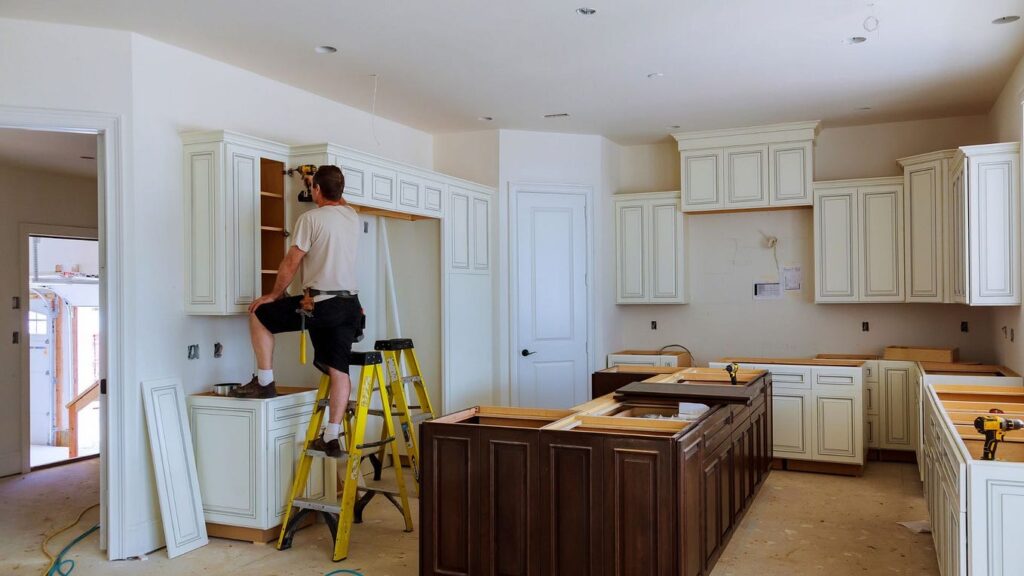
Preparation can begin once the project and design requirements are known. It may be necessary to remove existing cabinets, appliances or flooring.
During the preparation phase, it is important to protect any areas that will not be renovated. Depending on the nature and scope of the work, it may be necessary to protect floors, doors, adjacent rooms, fixtures and common areas.
A contractor should establish a reasonable sequence for demolition and construction. It may not be practical to remove everything all at once, especially if the property is occupied while renovations are being carried out.
Step 9: Complete all plumbing, electrical, and other technical work
Technical work can be done after removal and preparation according to approved project and design requirements. The final layout of the kitchen should be used to coordinate any plumbing and electrical changes. This will ensure that the connections for cabinets and appliances are placed correctly.
Attention is needed at this stage because many services will be hidden behind walls, cabinets, or floors. While the area is still accessible, it’s easier to find and fix any problems.
Dubai Municipality has a framework of building regulations that includes the Dubai Building Code, as well as other regulations governing building design and construction. Property Owners should rely on professionals to confirm requirements for their project.
Install Countertops and Cabinets
Cabinet installation is a stage where design starts to emerge. It is important to align cabinets correctly because they can impact countertops, drawers, and appliances, as well as the appearance of your kitchen.
After the cabinets have been positioned, the countertops can be installed based on the material and design selected. The order of installation can be different depending on the material and the fabrication process. Therefore, the contractor must explain the sequence.
Patience is a virtue at this stage. It is not necessary to rush a renovation in order to have the kitchen looking as finished as possible. Each component must be able to work with the previous work.
Step 11: Finish Lighting and Finishing Details
As the project nears its end, lighting, backsplash installation, and painting can be done. Hardware, sinks, faucets, appliances, and other finishing touches will follow. They may seem small, but together they can make a big difference in the final look.
Kitchens require both general lighting and practical illumination around the work area. Cabinet hardware, sealing, edges, and finishes should all be given proper attention.
Small imperfections are more noticeable at the final stage. Professional teams should inspect the work instead of declaring the project complete once the major installation is in place.
Step 12: Conduct a final inspection
The property owner and the contractor can review the work completed together during a final inspection. Check all cabinet doors, drawers, appliances, lighting fixtures, taps and sinks, backsplashes, flooring, paintwork, and other items included in the agreed scope.
Check for defects, unfinished work, damaged surfaces, or items that don’t match the approved design. Before the project is officially closed, if something needs to be corrected, bring it up.
The final inspection will also confirm whether the renovations have delivered on what was agreed, rather than what everyone vaguely remembers discussing several weeks ago.
How to choose among kitchen renovation companies in Dubai
The final quote is not the only thing to consider when choosing a renovation firm. Consider the experience of the company, its previous projects, the communication process, the design process, the materials, the project management, and the ability to clearly explain the scope.
Request a detailed quote and examples of similar kitchens. Check the services that are included by the company, including preparation, cabinetry installation, plumbing and electrical work, painting, appliances, cleaning, etc. Ask for clarification if something isn’t included before signing.
Google’s guidelines recommend content that is useful, reliable, focused on people, and supported with clear expertise, rather than content designed primarily to manipulate rankings. When choosing a renovation company, it makes sense to look at evidence and transparency instead of relying on promises.
Why a detailed quotation is important
It is important to have a detailed quote because it will protect both the property owner and the contractor. It should include the main materials, stages of work, installation responsibilities, and any relevant exclusions.
Compare companies based on the total cost. A lower quote may include fewer services, a different material, or less preparation. A higher quote may include work that was excluded by another contractor.
It is not enough to ask, “Who’s the cheapest?” What exactly do I get for that amount?
Avoid these common kitchen renovation mistakes
Some common kitchen renovation mistakes include starting without a plan, failing to take accurate measurements, selecting appliances too late, and underestimating storage needs. Selecting materials solely based on their appearance, while neglecting durability and maintenance, is another mistake.
Materials should be suitable for the kitchen environment, as it is subjected to regular cleaning and wear. Don’t ignore any building or community requirements if the renovation requires approval. Planning well does not solve all problems, but it reduces many avoidable problems.
Final Thoughts
It is not just a one-time installation that makes a kitchen renovation successful. The process begins with a thorough understanding of the kitchen’s current state and moves on to design, measurement, storage planning and selection, coordination of appliances, technical work, and cabinetry and countertops.
The best companies for kitchen renovation in Dubai will be able to explain the process clearly and customize it to each property. They should not force every client into the same package. Comparing companies should be based on their experience, transparency, and workmanship. Also, the scope of the project, communication, and quality of the solution proposed.
Dubai’s construction environment has formal regulations and permit processes, so renovation requirements must be checked based on the specific project. Dubai Municipality has published building regulations and permit-related procedures as well as technical publications.
